About Food Grade Industry Epoxy Flooring
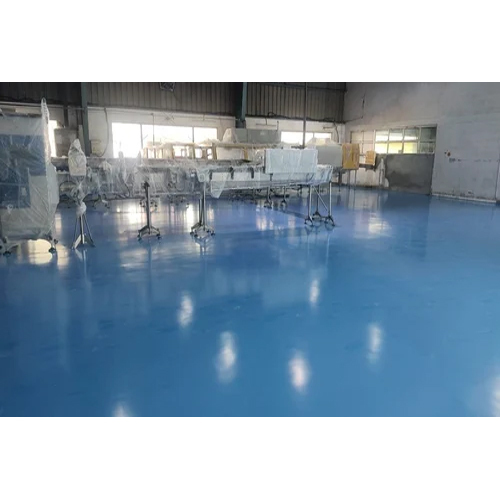
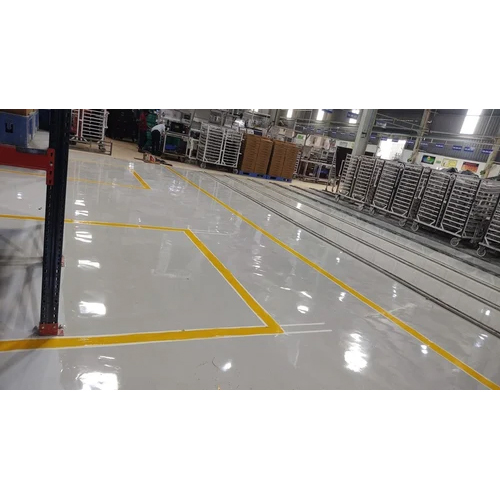
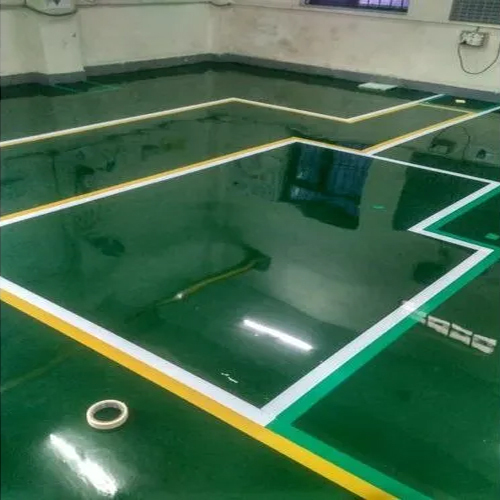
Food-grade epoxy flooring is a type of seamless, non-porous flooring designed for the food and beverage industry, offering exceptional hygiene, durability, and resistance to various substances. Its formulated to meet stringent food safety standards, resist chemicals, and withstand temperature fluctuations common in food processing environments.
Key features and benefits of food-grade epoxy flooring:
Hygiene and Sanitation:
The seamless, non-porous surface prevents bacterial growth, making it easy to clean and sanitize, crucial for maintaining food safety standards.
Chemical Resistance:
Epoxy flooring can withstand exposure to various chemicals, including acids, bases, and cleaning agents, commonly used in food processing facilities.
Temperature Resistance:
It can handle extreme temperature variations, from hot processing areas to cold storage and freezers, without cracking or degrading.
Durability and Longevity:
Epoxy flooring is highly durable and can withstand heavy machinery, foot traffic, and impacts, reducing the need for frequent repairs or replacements.
Slip Resistance:
Anti-slip additives can be incorporated into the epoxy to enhance safety in areas prone to spills or wet conditions.
Compliance with Regulations:
Food-grade epoxy flooring helps facilities comply with food safety regulations and standards.
Ease of Maintenance:
The smooth, non-porous surface makes it easy to clean and maintain, saving time and resources.
Impact Resistance:
Epoxy flooring can withstand heavy loads and impacts without cracking or damage.
Abrasion Resistance:
It protects against wear and tear caused by heavy equipment and foot traffic.
No Odor:
Food-grade epoxies can be formulated to have no odor during application.
Variety of Colors and Finishes:
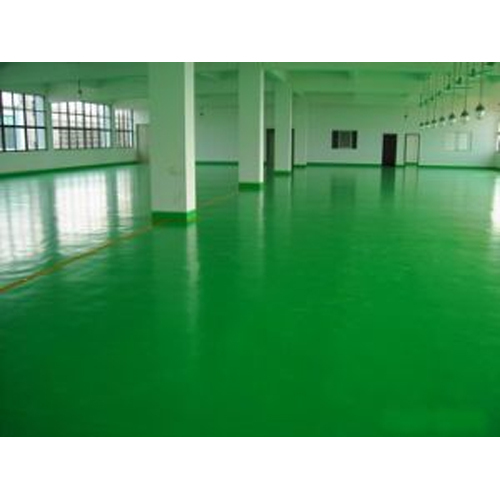
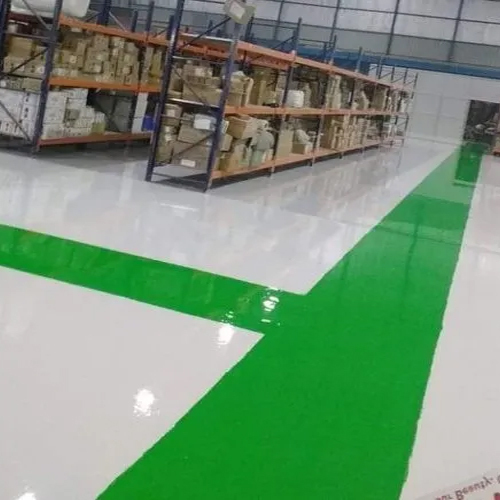
Epoxy flooring can be customized with a range of colors and finishes to suit specific needs.
Quick Installation:
Epoxy flooring can be installed relatively quickly, minimizing downtime for food processing facilities.
Cost-Effective:
Due to its durability, long lifespan, and low maintenance requirements, epoxy flooring is a cost-effective solution in the long run.
Superior Surface PreparationOur epoxy flooring service employs mechanical surface preparation, which guarantees better bonding performance and longevity. This rigorous process ensures the concrete substrate is clean, level, and ready to receive the epoxy, reducing the risk of delamination or floor failure in food-grade settings.
Customizable Safety FeaturesSlip resistance is a critical consideration in food industry flooring, and our solutions are adjustable from R9 to R13 to match specific workplace requirements. Whether you need standard or enhanced anti-slip properties, we tailor the surface to support safety and compliance.
Long-Lasting & Eco-Friendly CoverageWith a shelf life of 12 months in unopened containers and low VOC content, our epoxy flooring supports sustainable facility management. The formulation is easy to maintain and withstands continuous temperatures up to 70C, making it ideal for demanding food processing or storage areas.
FAQs of Food Grade Industry Epoxy Flooring:
Q: How is mechanical surface preparation carried out for epoxy flooring installation?
A: Mechanical surface preparation involves specialized equipment such as grinders or shot blasters to clean and roughen the concrete substrate, removing impurities and ensuring optimal adhesion of the epoxy coating. This step is crucial for achieving a durable and long-lasting floor finish in food-grade environments.
Q: What is the recommended curing time for food grade epoxy flooring, and does temperature affect it?
A: The recommended curing time ranges from 8 to 24 hours, depending on ambient temperature and thickness of the epoxy layer. Warmer temperatures and thinner applications typically reduce curing duration, while cooler temperatures and thicker coatings may require more time to fully cure.
Q: When should the epoxy be applied and used within its shelf life?
A: Epoxy should be applied while within its shelf life of 12 months if the container remains unopened. Using the product within this period guarantees its optimal performance, adhesion, and chemical properties during installation.
Q: Where is food grade epoxy flooring most beneficial for installation in India?
A: Food grade epoxy flooring is best suited for food processing plants, storage facilities, commercial kitchens, and other areas where hygiene standards are critical. Its durability and easy maintenance make it ideal for these high-traffic, regulated environments across India.
Q: What are the benefits of opting for low VOC, eco-friendly epoxy flooring?
A: Choosing low VOC and eco-friendly epoxy flooring supports a safer indoor environment by minimizing hazardous emissions. It promotes sustainability, protects the health of workers, and helps facilities comply with stringent environmental regulations in India.
Q: How can slip resistance be customized for different areas in the food industry?
A: Slip resistance levels can be adjusted during installation, ranging from R9 to R13 based on the required safety standards of specific areas. This customization ensures that every workspace, whether dry or wet, remains safe for personnel.







 Send Inquiry
 Send Inquiry
 Send SMS